
Industry
Manufacturing
According to the World Economic Forum (WEF) (2022) global production sectors are responsible for one-fifth of carbon emissions, consuming 54% of the world's energy sources. While the manufacturing and production sectors are key drivers for economic growth, comprising 16% of global GDP, activity from these sectors also poses serious environmental risks that must be collaboratively addressed.
According to the Circularity Gap Report (2020), the world is using more than 100 billion tonnes of natural resources per year while recycling of raw materials has fallen. Environmental impact will lead to price increase by 70-90% on Food; >200% on energy and >90% on metals by 2030.
Bloomberg (2021) stated that a record $120 billion was invested in green sustainability projects due to Environmental, Social & Governance (ESG) regulations.

A recent study by Edelman found 58% of consumers now buy from companies that share their beliefs and are more sustainable in the manufacturing of their products.
ESG challenges are significant and urgent. Manufacturers must assess Environmental (E), Social (S) and Governance (G) applicability and develop strategies to improve performance.
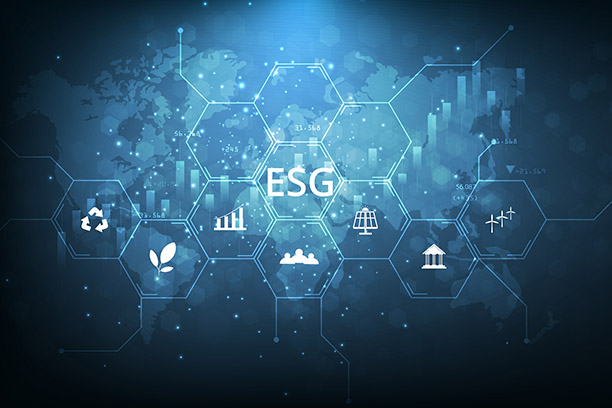

ESG is the most viable route to preserve the precious and finite resources on our planet. A strong ESG framework increases operational efficiency by reducing expenditure and ensures overall business growth as well as green image universally.